placeholder-image

Our Webinars & Research Cafés

Our Webinars and Research Cafés are free for everyone (ACPOHE members and non‑members) and offer practical, up‑to‑date learning across the Work & Health landscape. Recordings remain available on this page for 30 days, after which they move into the ACPOHE Work and Health Learning and Development Hub, where members can access the full archive whenever they need it.

Register for our upcoming Webinars and Research Cafés below and listen to recordings from the last 30 days.

placeholder-image
Regional Network logo

Regional Network

Date 06/10/2026
Time 10:00-11:30
Wales Regional Network - October 2026
If you're an OH physio based in Wales join us for this community get-together once a quarter.
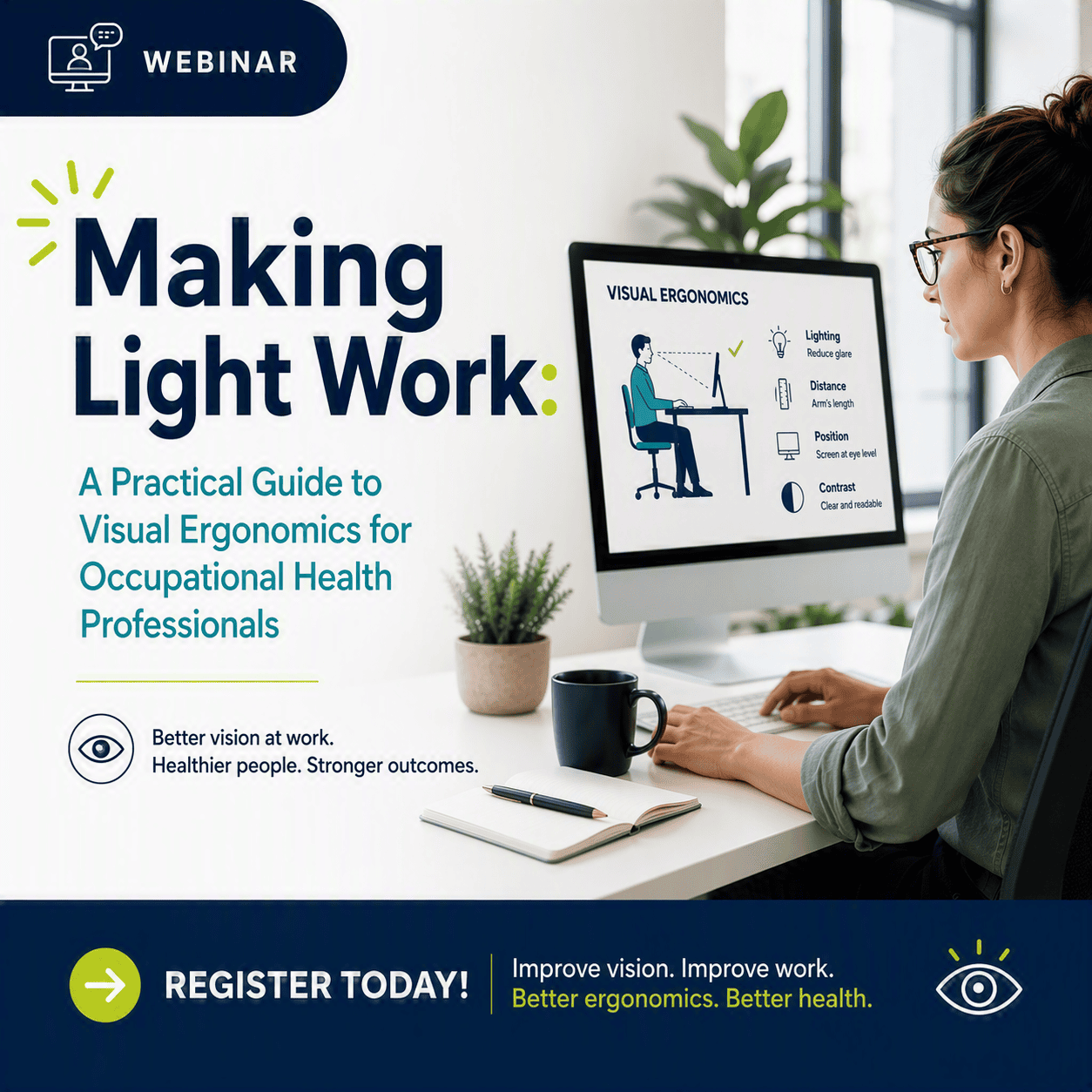
Webinar: Making Light Work

NEW!

Date 29/10/2026
Time 11:00-12:00
Making Light Work: A Practical Guide to Visual Ergonomics for Occupational Health Professionals
Lighting is one of the most common sources of discomfort in the workplace — and one of the most overlooked. Poor light contributes to eye strain, headaches, neck and back pain, and affects mood, attention and sleep. Yet most occupational health professionals have… Lighting is one of the most common sources of discomfort in the workplace — and one of the most overlooked. Poor light contributes to eye strain, headaches, neck and back pain, and affects mood, attention and sleep. Yet most occupational health professionals have little formal training in what to look for or what to do about it. Find out what ACPOHE and IOH have been doing to address this.

Previous Webinars

Coming Up

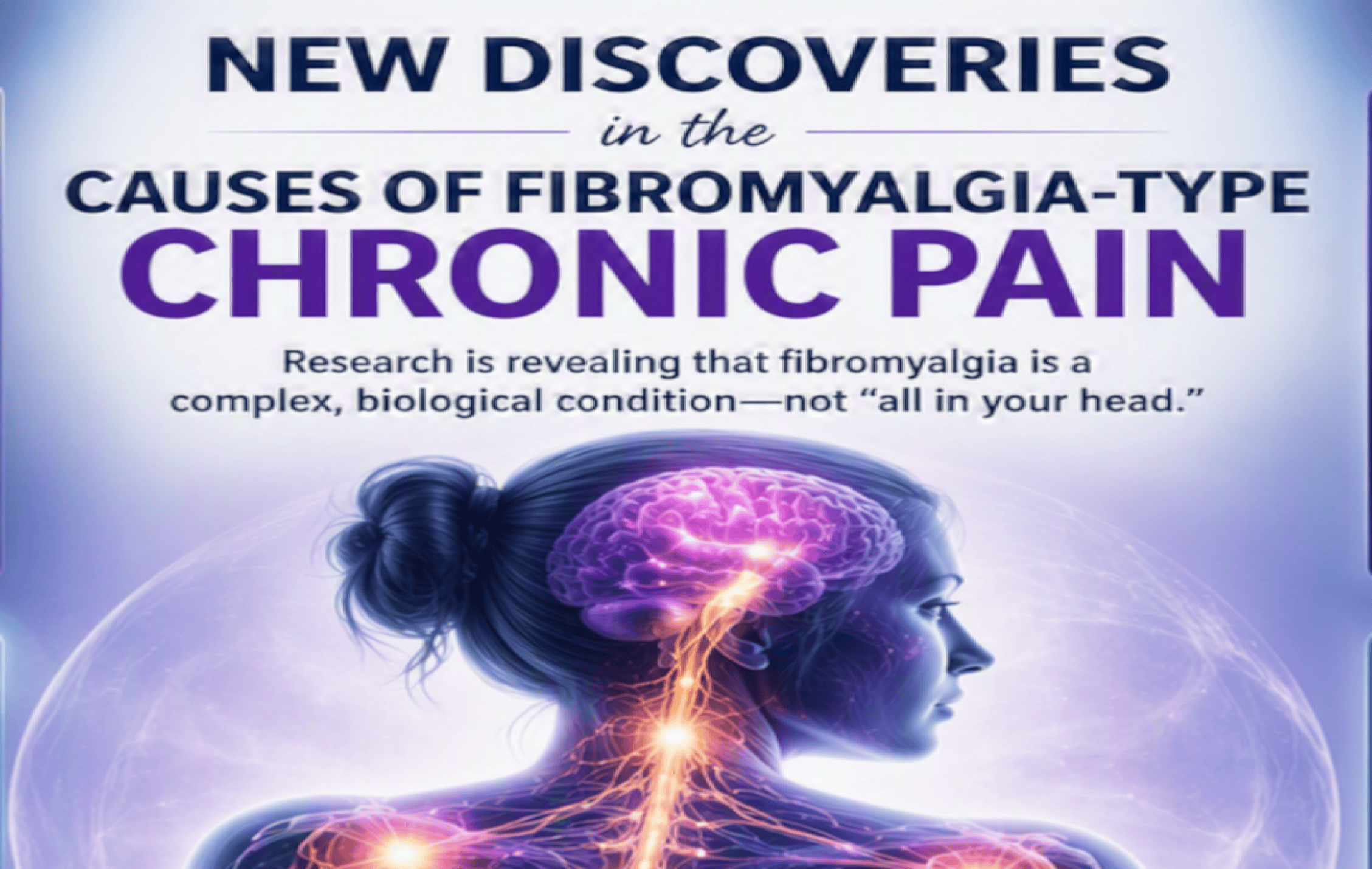
New Discoveries in the Causes of Fibromyalgia-type Chronic Pain
‘Sngception’ – a novel anatomical and neurological pathway for chronic pain. The perception of acid sensation is most commonly felt after fatiguing exercise. This muscle soreness is defined as, ‘pain resulting from overuse’ in the English dictionary. In other… ‘Sngception’ – a novel anatomical and neurological pathway for chronic pain. The perception of acid sensation is most commonly felt after fatiguing exercise. This muscle soreness is defined as, ‘pain resulting from overuse’ in the English dictionary. In other languages this soreness is given a term indicating it is distinguishable from other types of pain (e.g., “courbature” in French, “muskelkater” in German, “sng” in Taiwanese). Tissue acidosis, which also occurs in ischemia and inflammation, is a potent factor for activating proton-sensing ion channels/receptors to trigger pain, as has been demonstrated in humans and animal models. The acid-sensing ion channel 3 (ASIC3) is perhaps the most acid sensitive of ion channels in somatosensory neurons and is involved in perception of acid-induced chronic pain in experimental animal models. Yet, intriguingly, ASIC3 is also expressed in proprioceptors (muscle-length, or limb-position, detecting neurons) where it functions as a mechanically sensitive ion channel involved in mechanotransduction. Within many proprioceptor organs, ASIC3-expressing pain-associated (group III and group IV) and proprioceptor (muscle spindle) sensory nerve terminals come into close proximity, which could enable a cross-talk between them. We have recently found strong evidence for a neurobiological basis for such cross-talk underlying a separate acid-induced ‘sngception’, that can be distinguished from classical nociception. I.e., that it is detected and transmitted by specific somatosensory neurons. In a recent study, we show the first evidence that sng and pain can be segregated and distinguished separately both in humans and other animals. We show in mouse models how sng chronic pain is initiated, and how sngception is transmitted and contributes to chronic hypersensitivity. Elucidating this mechanism and distinct neuroanatomical pathway may offer opportunities for development of therapeutics against at least some types of hard-to-treat pain, e.g. certain types of fibromyalgia.
Webinar 14-07-26
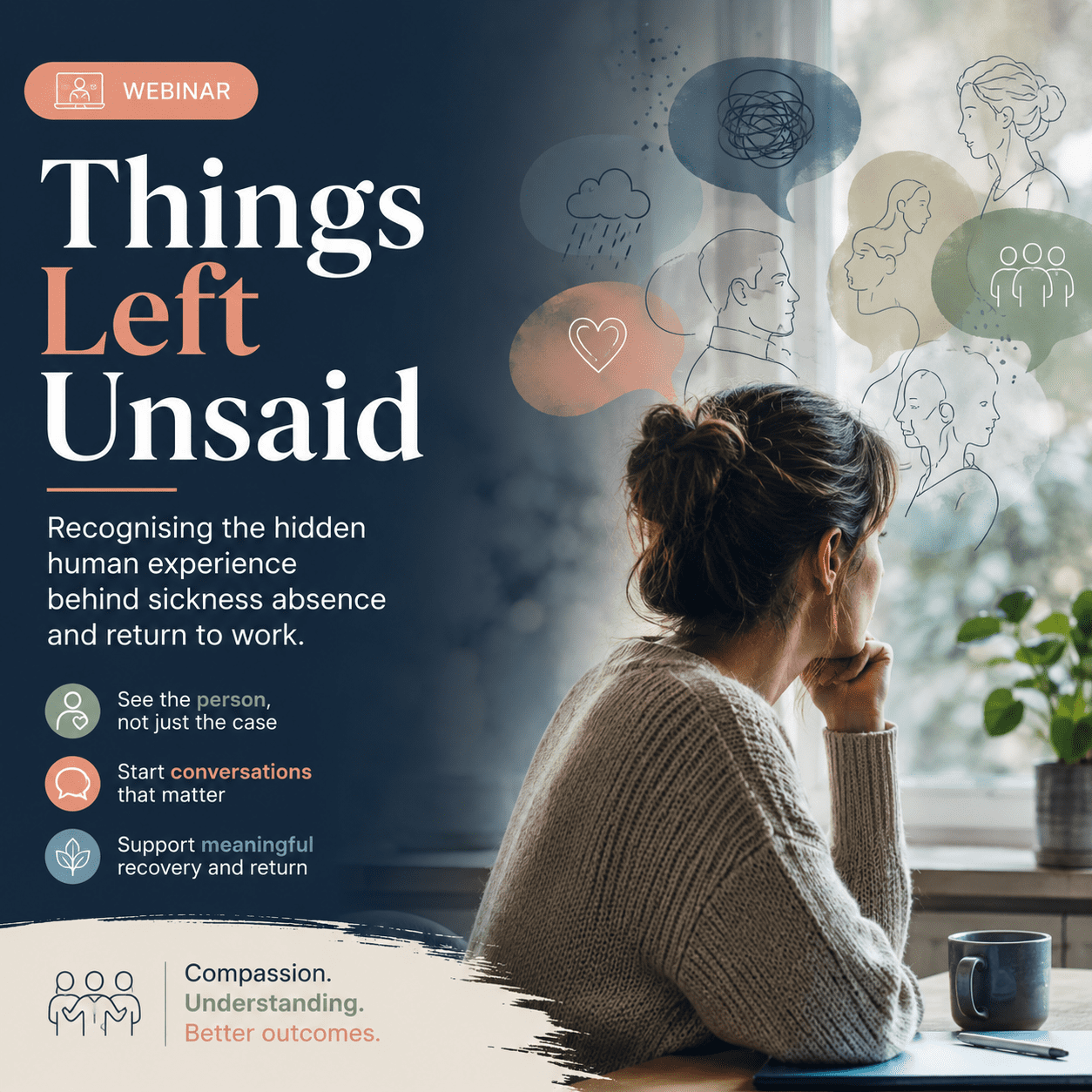
Things Left Unsaid: Recognising the hidden human experience behind sickness absence and return to work
Returning to work after illness or injury is rarely just a clinical or operational process. While healthcare professionals and occupational health teams are highly skilled in managing recovery, workplace adjustments and return-to-work planning, there is often a… Returning to work after illness or injury is rarely just a clinical or operational process. While healthcare professionals and occupational health teams are highly skilled in managing recovery, workplace adjustments and return-to-work planning, there is often a deeper human experience that remains unseen and unheard.
logo

Would you like to deliver a Webinar or Research Café?

We are always interested in inviting members and external speakers to share their research and insights in OH.  If you would like to deliver a webinar or research café with ACPOHE, please get in touch.

ACPOHE_015
placeholder-image